The real cost of Производство светильников: hidden expenses revealed
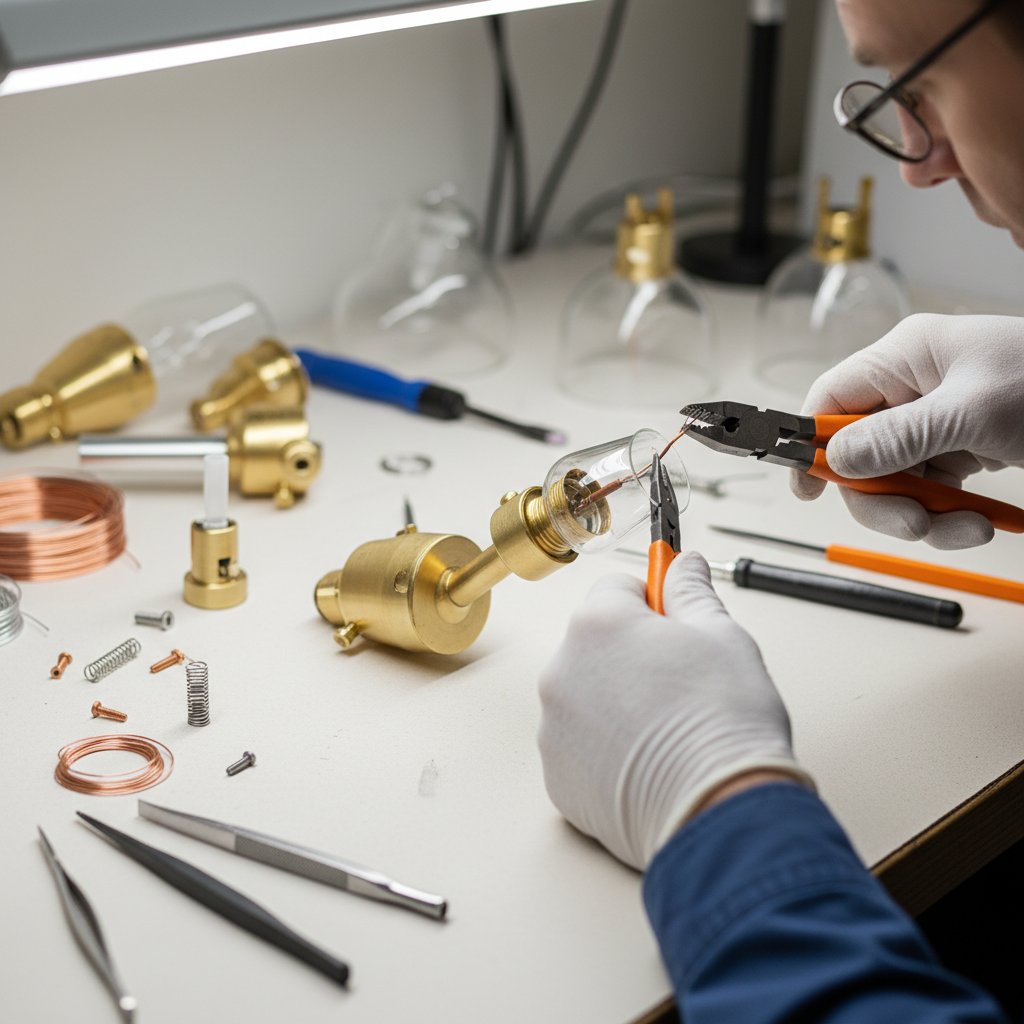
The $47,000 Mistake Nobody Talks About
Last March, a mid-sized lighting manufacturer in Shenzhen thought they had their costs nailed down. Their spreadsheet showed a comfortable 34% profit margin on pendant fixtures. Six months later, they were bleeding money—and couldn't figure out why.
The culprit? Hidden expenses that never made it into their initial calculations. And they're not alone.
Manufacturing lighting fixtures seems straightforward on paper: materials plus labor plus overhead equals cost. But anyone who's actually run a production line knows the real story is messier, more expensive, and full of surprises that can turn a profitable quarter into a scramble for cash flow.
The Obvious Costs (That Still Catch People Off Guard)
Sure, everyone budgets for aluminum extrusions, LED components, and diffuser panels. But raw material costs fluctuate wildly. Copper prices jumped 26% between 2020 and 2021, blindsiding manufacturers who'd locked in pricing with customers months earlier.
Then there's tooling. A single injection mold for a decorative housing can run $15,000 to $45,000 depending on complexity. Need modifications after the first production run? Add another $8,000 minimum. These aren't operational expenses—they're capital investments that need amortizing across production volumes that might never materialize.
Where Money Actually Disappears
Quality Control Failures
Here's something they don't teach in business school: rejection rates kill margins faster than anything else. A 3% defect rate sounds manageable until you realize that's 300 fixtures per 10,000-unit run that need reworking or scrapping. At $23 per unit in materials and labor, you've just lost $6,900—not counting the overtime to make up the shortfall.
One Polish manufacturer I spoke with discovered their "acceptable" 4.5% rejection rate was costing them €127,000 annually. They'd never actually calculated it before.
Certification and Compliance
Want to sell in Europe? Budget $12,000-$18,000 for CE certification per product line. North America? UL listing runs $8,000-$25,000 depending on fixture complexity. And that's just the initial certification—modifications trigger re-testing fees.
Energy efficiency standards change constantly. California's Title 24 requirements tightened in 2022, forcing manufacturers to redesign driver circuits mid-production cycle. The cost? Roughly $34,000 in engineering time plus another $19,000 in certification updates for one manufacturer producing architectural downlights.
Inventory Carrying Costs
Components sitting in warehouses aren't free. Between financing costs, insurance, shrinkage, and obsolescence, carrying inventory typically costs 20-25% of its value annually. That palette of drivers you ordered six months ago? It's costing you money every single day it sits there.
LED technology evolves fast. Fixtures designed around last year's chips can become outdated before you've sold through inventory, forcing markdowns that evaporate margins.
The Labor Math Nobody Does Correctly
A production worker earning $18/hour doesn't actually cost $18/hour. Factor in payroll taxes, workers compensation insurance, benefits, and training, and the real number lands closer to $27-$31/hour. Turnover makes it worse—recruiting and training a replacement costs an estimated $4,200 per position.
Assembly time estimates are almost always optimistic. A fixture "designed" to take 12 minutes to assemble typically takes 17 minutes in reality once you account for material handling, tool changes, and human variation. That 42% difference compounds across thousands of units.
Shipping: The Silent Profit Killer
Container rates from Asia to the US West Coast hit $20,000 during the 2021 supply chain crisis—up from $3,000 pre-pandemic. Even now, rates hover around $7,000-$9,000, triple historical norms.
Dimensional weight pricing punishes lighting fixtures especially hard. A box of pendant lights might weigh 15 pounds but occupy enough space that carriers charge for 47 pounds. Multiply that across hundreds of shipments, and you're looking at six figures in excess freight annually.
What the Spreadsheet Can't Capture
Some costs resist quantification but hit just as hard. Engineering time spent troubleshooting supplier quality issues. Customer service hours managing warranty claims. The opportunity cost of tying up working capital in slow-moving inventory instead of developing new products.
Currency fluctuations can swing margins by 8-12% when sourcing internationally. Payment terms matter too—net-60 terms mean financing production for two months before seeing revenue.
Key Takeaways
- Hidden costs typically add 18-28% to baseline manufacturing expenses
- Rejection rates above 2% deserve immediate attention—they're margin killers
- Certification and compliance easily consume $50,000+ annually for multi-market manufacturers
- Real labor costs run 50-70% higher than base wages once fully loaded
- Inventory carrying costs compound at 20-25% annually—faster turnover matters
- Freight and logistics now represent 12-18% of landed costs versus 6-8% historically
That Shenzhen manufacturer? They eventually figured out their problem: inadequate tooling maintenance was driving up rejection rates, while underestimating true labor costs left them underwater on every order. They survived, but barely.
The lighting manufacturing game rewards obsessive attention to details that never make it into marketing materials. Master the hidden costs, or they'll master you.