Производство светильников in 2024: what's changed and what works
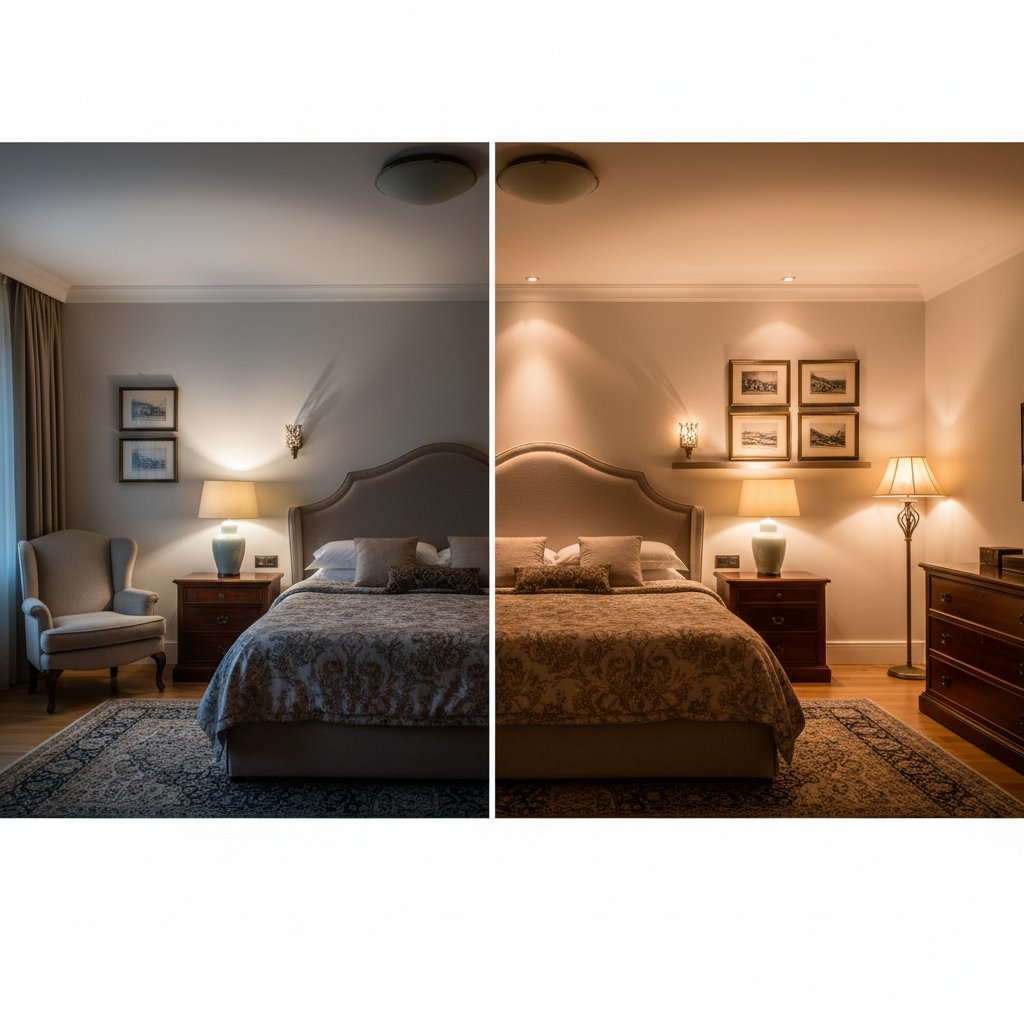
The lighting manufacturing industry just lived through one of its wildest transformation periods. Between supply chain chaos, energy regulations tightening faster than anyone expected, and customers suddenly caring deeply about circadian rhythms, 2024 has rewritten the playbook. If you're still running your fixture production like it's 2019, you're already behind.
Here's what actually changed this year and what's delivering results on factory floors right now.
What's Actually Working in Lighting Manufacturing Right Now
1. Modular Design Isn't Optional Anymore
The days of designing a complete fixture as one inseparable unit are over. Smart manufacturers shifted to modular architectures where drivers, LED boards, optics, and housings can be swapped independently. This isn't just about easier repairs—it's about survival when a single component faces a 16-week lead time.
One mid-sized European manufacturer cut their SKU count by 40% while actually expanding their product range by building everything around five core platforms. When the semiconductor shortage hit hard in early 2024, they could pivot to alternative driver suppliers in days instead of redesigning entire product lines. Their warranty costs dropped 23% because technicians could replace failed components instead of entire fixtures.
The upfront engineering investment hurts. Budget an extra 30-40 hours per product family for the initial modular design work. But you'll make it back within six months through reduced inventory complexity alone.
2. Zhaga-D4i Compliance Became the Gatekeeper
Municipal contracts and commercial projects now specify Zhaga-D4i compatibility in roughly 60% of RFPs for new installations. This isn't a nice-to-have feature anymore—it's the entry ticket. The standard allows sensors, communication modules, and controls to plug directly into fixtures without proprietary connectors or custom integration work.
Manufacturers who dragged their feet on certification spent Q2 and Q3 watching competitors win projects they couldn't even bid on. The certification process takes 8-12 weeks and costs between $3,000-$8,000 per product line, depending on complexity. Yes, it's annoying. It's also mandatory for anyone serious about commercial and street lighting.
3. Tuneable White Moved From Premium to Standard
Color temperature adjustment used to be a luxury feature commanding 40-50% price premiums. By mid-2024, it became table stakes for office and healthcare applications. The research linking lighting to sleep patterns and productivity finally penetrated corporate real estate decisions.
The component cost delta shrunk to almost nothing—adding CCT tunability now adds roughly $2-4 per fixture at manufacturing volumes above 5,000 units. Meanwhile, customers routinely pay 15-20% more for the feature. The margin math is obvious. Several manufacturers report that tuneable white now represents 45% of their commercial interior fixture sales, up from 18% just two years ago.
4. Vertical Integration Made a Comeback
Outsourcing everything seemed brilliant until global logistics melted down. The manufacturers who weathered 2024 best brought critical operations back in-house—not everything, but the chokepoint processes that killed lead times.
Powder coating, driver assembly, and lens fabrication are the big three. One U.S. manufacturer invested $340,000 in powder coating equipment and recouped it in 14 months purely through eliminated shipping delays and rush freight charges. They also grabbed back 8-12% margin that was going to their coating supplier. Lead times dropped from 8 weeks to 3 weeks, which became their main sales differentiator.
You don't need to make your own LED chips. But controlling the processes that previously caused 80% of your delays changes everything.
5. Energy Efficiency Thresholds Jumped Sharply
California Title 24 and EU Ecodesign regulations both tightened in 2024, and they're not playing around. Minimum efficacy requirements jumped to 140 lumens per watt for many commercial applications, with some categories requiring 160+ lm/W. Fixtures that were compliant 18 months ago are now illegal to install in new construction.
This caught lazy manufacturers completely off-guard. The engineering work to hit these thresholds isn't trivial—it requires better thermal management, more efficient optics, and premium LED bins. But it also created a natural market consolidation. Cheap imports that barely met old standards suddenly disappeared from specification sheets, giving quality manufacturers room to breathe.
6. Direct-to-Installer Sales Channels Exploded
The traditional three-tier distribution model (manufacturer → distributor → contractor) started cracking. Smart manufacturers launched installer portals with real-time inventory, technical support chat, and next-day shipping for orders over $500. They're not cutting out distributors entirely, but they're giving contractors an alternative when speed matters.
This shift requires real investment in logistics and customer service infrastructure. One manufacturer hired four inside sales people and spent $90,000 on warehouse management software. Within nine months, direct sales represented 22% of revenue at 12 points higher margin than distributor sales. The distributors who survived adapted by offering value-added services like job-site delivery and installation training instead of just holding inventory.
The Real Takeaway
Manufacturing lighting fixtures in 2024 means accepting that the old comfortable patterns are gone. The companies thriving right now aren't the ones with the fanciest marketing or the biggest factories—they're the ones who made hard decisions about modularity, compliance, and operational control before they absolutely had to.
The next twelve months won't get easier. But if you've implemented even half of these shifts, you're already ahead of most of your competition.